


|
|||
| Preparing an MGBGTV8 for an MOT test | |||
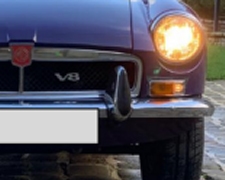 |
Lights With older cars like MGBGTV8s and MGRV8s it's worth checking the lights because lighting faults are one of the most common MOT failures. Quick checks worth doing before the test: > Check every light to make sure it's working. > Check number plate lights (these are often forgotten). > Replace dim bulbs. > Clean earth connections if lights are flickering or weak. > Give the lenses a wipe to remove a layer of accumulated grime as it doesn’t help visibility. |
||
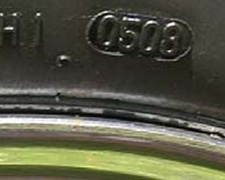 |
Tyres > Tyres age before they wear out on classic cars - so check the tyre wall date marking. > Tyres that look perfectly fine with little wear may be older that you realise. > Check the spare tyre date code as a tyre 10 years old or more will need replacing. More > Tyre wall date marking 0508 alongside - date is 5th week in 2008. > Replace tyres 7 to 10 years old as aging rubber becomes harder and with less grip. > Check for a minimum 1.6mm tread depth across the central three quarters of the tyre tread. > Check for cracks in the sidewalls as they can result in tyre failure. > Check for bulges or damage from kerbs or potholes as they can cause tyre failure. |
||
 |
Brakes
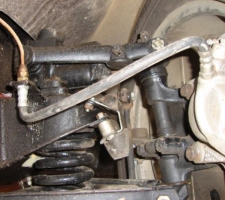
- more than slightly important > Classic car brakes can be a little relaxed compared to modern car standards, but MOT ... testers will still be looking for proper braking performance and balance across the axle. > Check for sticking calipers . > Check for worn pads or shoes. > Check for contaminated brake fluid - change the fluid every 2 to 3 years. > Check for any imbalanced braking between wheels - for example pulling to one side. A pre-MOT drive including a few firm brake stops can help reveal problems before the tester does. If your car has been parked up for a while without use on the road, giving the brakes a good workout can often be enough to clear any surface rust that accumulated on the discs. |
||
 |
Suspension
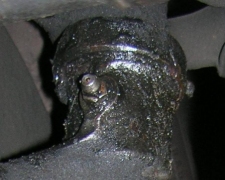
& Steering wear |
||
 |
Corrosion
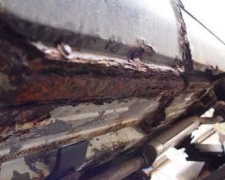
- the classic car fear The MOT test focuses on structural corrosion, particularly around: > Sills. > suspension mounting points. > chassis rails. > seatbelt mounts. A tiny cosmetic bubble isn’t the end of the world, but if corrosion affects structural areas, it can quickly become an MOT failure. Before your test, it’s worth giving the underside a proper inspection. A clean can help too as years of grime can hide issues or make inspection harder. |
||
 |
Windscreen
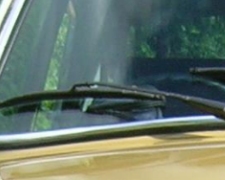
Wipers and Washers > Wipers must clear the windscreen properly. Washers must actually wash. > Check the condition of the wiper blades and replace - an easy fix if needed. > Check washer bottle is not empty. > Check the washer jets are not blocked. > Check the washer pump is working. |
||
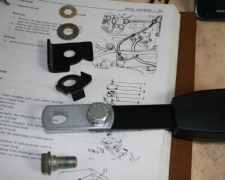 |
Seatbelts They can fail for a variety of simple reasons: > Fraying belts. > Slow or faulty retractors. > Damaged buckles. > Insecure mounting points. Give them a quick pull and check they retract properly. If they function slowly behave like they’re half-asleep, they may need replacing. |
||
 |
Make
a half-hour inspection before an MOT test A classic car insurance broking services provider says in its online MOT test guide "most MOT failures aren’t dramatic mechanical disasters, they are often small, easily avoidable issues that simply went unnoticed by the owner. Making a half-hour inspection before the test – lights, tyres, fluids, wipers and belts – can save time, money and the indignity of explaining to your friends that your cherished classic car failed - for example because a number plate bulb packed up. Remember MOT preparation for a classic car isn’t just about passing a test. It’s about keeping your car safe and enjoyable on the road". See the MOT test guide from Footman James. Link |
||
 |
 |
||


